Reading the American Wheel Before You Drop a Chip
The double-zero pocket is the single silent killer that separates a US roulette table from its European cousin, and any first-timer who ignores that 00 slot is already donating edge to the house before the croupier even spins. Listen close, because this is not a friendly tutorial — it is a mechanical breakdown of how the American layout actually drains your bankroll and how you position yourself to survive it.
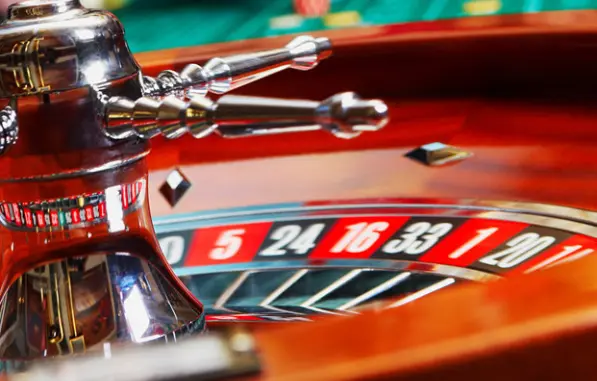
You walk up to a felt marked with 0 and 00 sitting side by side at the top. That pair of green pockets gives the house a 5.26 percent mathematical grip, nearly double the 2.7 percent on a single-zero wheel. 🎯 If you cannot recite that number from memory, you have no business betting real money yet. The American roulette table is a trap dressed in neon, and the only defense is knowing the exact geometry of every bet zone before your first chip touches felt.
Buying In and Mapping the Betting Grid
Cash hits the table and the dealer converts it into non-value chips — colored tokens that belong to you alone. Do not pocket them, do not stack them like poker chips, and never hand them to another player. The inside layout holds straight numbers, splits, streets, corners, and the infamous five-number basket covering 0, 00, 1, 2, and 3 — a wager so toxic it carries a 7.89 percent house edge. Avoid it like plague.
The outside zones are where beginners should live: red or black, odd or even, high or low, plus the dozen and column boxes. These pay even money or 2-to-1 and let you learn table rhythm without bleeding fast. Place your chips flat and centered inside the box; a chip straddling a line is a different bet entirely, and the dealer will read it that way whether you meant it or not.
Placing Your First Bet Without Getting Scolded
Wait for the dealer to announce "place your bets" and watch the marker move off the layout. Chips go down only during that window — late placement earns a sharp rebuke and possibly a voided wager. 🤝 Stack your chips in clean columns so the dealer can verify the amount at a glance. Sloppy piles invite disputes at payout time, and disputes at a live table favor the house every single time.
Announce your bet verbally if it is complex: "twenty on black, ten on the second dozen." Verbal clarity is a courtesy that gets you faster, cleaner payouts. Once the ball drops and the dealer waves the hand over the wheel, the board is frozen. No touching, no adding, no removing. That frozen moment is where discipline gets tested.
Why the Five-Number Bet Is Financial Suicide
Let me be blunt: the basket bet on 0, 00, 1, 2, 3 is the worst wager on any table in the building. It pays 6-to-1 on five numbers that should mathematically pay 6.6-to-1. That fractional theft compounds across hundreds of spins into a brutal drain. If you want to touch green, play a straight-up on zero or double zero alone at 35-to-1 and accept the variance — at least the payout structure respects the risk.
Column and dozen bets at 2-to-1 with a 5.26 percent edge are the sane middle ground for a newcomer. Even-money outside bets keep your exposure flat and let you observe twenty or thirty spins before committing serious capital. 📉 Track the wheel, note the streaks, but understand that past results on a properly maintained wheel carry zero predictive weight.
Payout Mechanics and Table Etiquette That Matter
Winning inside bets get paid in chips stacked beside your original wager; the dealer leaves your bet in place unless you signal a pull. Outside bets pay on the far side of the layout and the dealer handles the math. Do not reach into the payout zone — hands off until the dealer finishes. Tipping is not optional goodwill; a chip tossed to the dealer after a win buys you sharper attention and faster service all night.
Know the table minimum and maximum before you sit. A five-dollar minimum with a five-hundred max caps your progression strategy hard, and running out of room mid-session kills momentum. The US roulette table rewards the player who reads the felt, respects the freeze window, and never chases losses past a predetermined stop. Set your loss ceiling in cash, not in hope, and walk when it hits. 🎲 The wheel does not care about your feelings, your rent money, or your comeback narrative.